



Starting a short-term let business can be one of the most rewarding ways to generate income from property if done properly. With platforms like Airbnb, Booking.com, and Vrbo, the opportunity has never been more accessible.
But success isn’t about just listing a property and hoping for bookings. It’s about strategy, compliance, operations, and guest experience. Let’s walk through it step by step.
Understand What a Short-Term Let Business (STLB) Business Really Is




A short-term let (STL) business involves renting out a property for short stays, typically from one night to a few weeks.
Unlike traditional long-term rentals, STL requires:
- Guest communication
- Professional cleaning between stays
- Dynamic pricing
- Strong reviews
- Regulatory compliance
It’s closer to running a hospitality business than being a landlord.
Research Your Local Regulations First
Before you buy furniture or create a listing, check the rules in your area.
For example:
- In Aberdeen and across Scotland, hosts must apply for a Short-Term Let Licence.
- In parts of London, properties are limited to 90 days per year unless planning permission is granted.
Failing to comply can result in fines or being forced to shut down.
Always confirm:
- Licensing requirements
- Safety regulations (fire alarms, gas checks, EPC, PAT test, Floor Plan, LegionellaTest)
- Insurance cover
- Mortgage or lease permissions
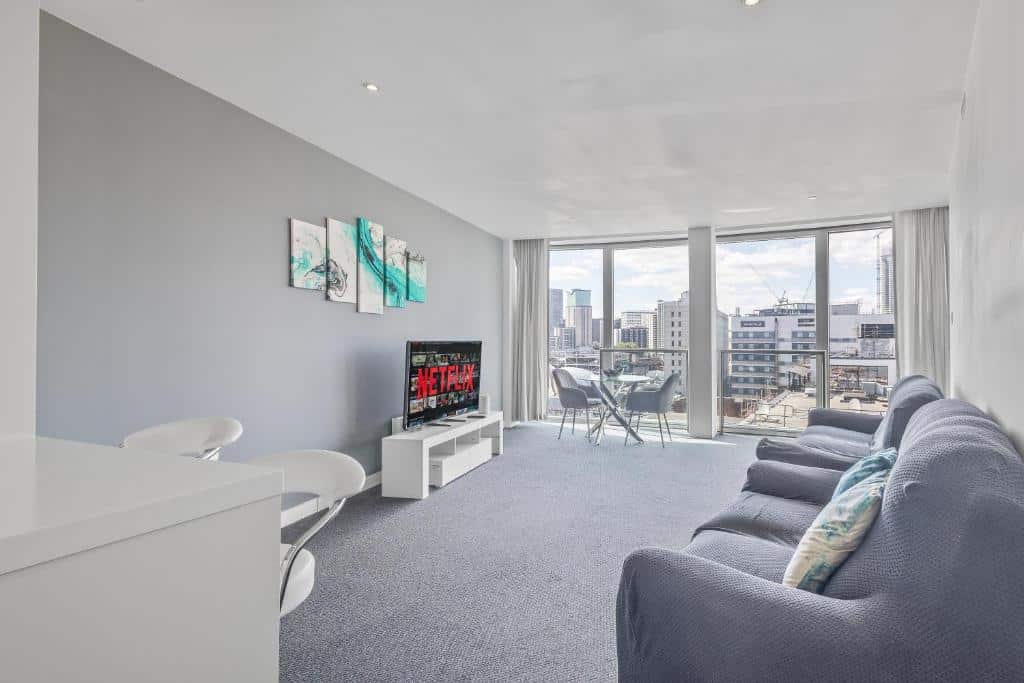

Not every property works for short-term letting.
Ideal features include:
- City centre or tourist location
- Close to transport links
- Parking availability
- Strong WiFi
- Modern bathroom and kitchen
Run the numbers before committing:
- Purchase price
- Mortgage payment
- Council tax
- Utilities
- Cleaning costs
- Platform fees
If a property rents for £550/month long-term but could generate £80 per night short-term, calculate a realistic occupancy (not 100%). Be conservative.
Furnish for Experience, Not Just Function
Guests choose based on photos.
Invest in:
- Comfortable beds
- Neutral decor
- Quality lighting
- Smart TV
- Work desk (remote workers are growing fast)
Add small touches:
- Coffee & tea station
- Local guidebook
- Self-check-in system
You aim to create something that earns 5-star reviews consistently.
List on the Right Platforms
Most new hosts start with:
- Airbnb
- Booking.com
Make sure you:
- Write a clear property description
- Highlight benefits (location, bills included, electric heating, etc.)
- Use professional photos
- Set competitive pricing
- Sync calendars to avoid double bookings
Master Pricing Strategy
Pricing can make or break your STL business.
Use:
- Seasonal pricing
- Weekend vs weekday rates
- Event-based surges
- Minimum stay rules
You can start manually, then move to automated tools once occupancy grows.
Never underprice permanently just to attract bookings.
Focus on value.
Build Systems (This Is Where Most Hosts Fail)
Many hosts struggle not because the property is bad, but because operations are messy.
You need systems for:
- Guest messaging templates
- Cleaning schedules
- Maintenance tracking
- Expense tracking
- Tax reporting
Treat it like a business from day one.
8. Understand Your Taxes
In the UK, short-term rental income must be declared.
You may need to:
- Register for Self Assessment
- Track allowable expenses
- Understand furnished holiday let (FHL) rules (if applicable)
Good record keeping saves you money and stress.
Focus on Reviews
In short-term letting, reviews are currency.
To earn consistent 5-star ratings:
- Respond quickly
- Keep the property spotless
- Provide clear instructions
- Resolve issues immediately
One bad review can impact bookings significantly, especially in the beginning.
Scale the Right Way
Once one unit works smoothly:
- Refine your processes
- Improve margins
- Consider a second property
- Explore management for other landlords
Growth should follow systems, not chaos.
Is Short-Term Let Still Profitable?
Yes, but only for hosts who treat it like a business. The biggest mistake new hosts make is assuming it’s passive income. It’s not. But when done correctly, it can outperform traditional buy-to-let models and create flexible cash flow.
Final Thoughts
Starting a short-term let business is about:
- Compliance
- Smart property choice
- Professional setup
- Strong systems
- Excellent guest experience
If you approach it seriously, it can become a powerful income stream.